Thuluth Calligraphy Templates and Art

The most ornamental Arabic script. Interlacing letters and long extensions, best for a short phrase set large and printed as wall art.

Start designing
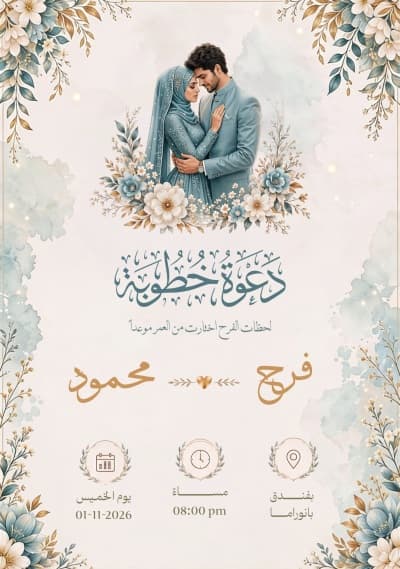
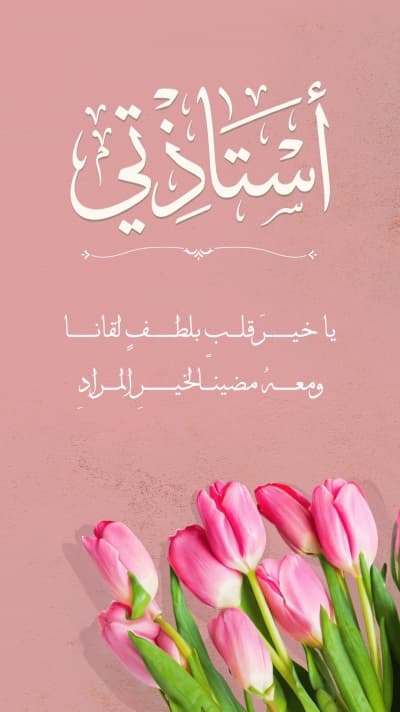
Thuluth Calligraphy

What defines Thuluth?
Interlacing and extension. The letters overlap and rise on long strokes, which turns a phrase into a visual composition closer to a painting than to writing. That is why it is the script of mosque inscriptions and headings.

What can you design?

  • Wall pieces built around a short phrase

  • Ornamental names and titles

  • Verses and hadith in a script that suits them

  • Designs with Islamic ornament and frames

  • Wall art at large-format print quality

Does it suit long text?
No. Thuluth is for short phrases, titles and wall pieces. Long passages need Naskh for its clarity and wider spacing. Knowing that difference is most of what separates a good calligraphic design from a crowded one.

الأسئلة الشائعة

What is Thuluth and why is it considered the hardest script?
Thuluth is a display script whose letters overlap, extend and interlock into a single composition, and its rules on proportion and pen angle are finer than any other, which is why it is treated as a calligrapher's test. It is a script for headings and panels rather than for reading, and appears on mosque inscriptions, manuscripts and framed pieces. Andalusi's library carries Thuluth ready to use.
Where does Thuluth suit?
On a short phrase presented as a panel, on the headings of Islamic cards, on invitations to grand occasions, on thank-you and honour cards, and on names of projects with a heritage character. It does not suit long text, numerals, or anything read quickly. Andalusi has templates built around a single line in Thuluth.
How do I use Thuluth in a design without spoiling it?
Leave it alone and large in the middle of the design with no ornament over it and no competing text, and keep at least a third of the space around it clear. Never stretch or squeeze the letters to fit the space, which breaks their proportions, and use one colour for it. Andalusi's templates hold the script's proportions when you change the text.
When do I choose Thuluth and when another script?
Choose Thuluth for a single line meant to be looked at, Naskh for any text read in full, Diwani for a soft curving phrase, Ruqʿah for quick everyday text, and Kufi for modern geometric work. The commonest mistake is setting a whole paragraph in Thuluth, which leaves it unreadable. Andalusi's library carries all these families.